

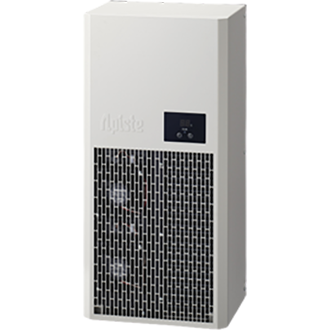
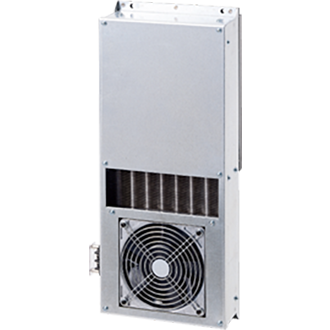
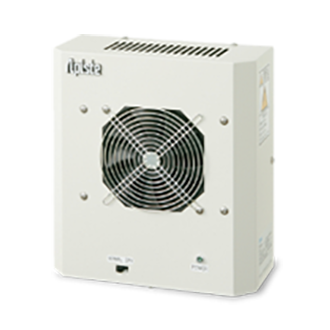
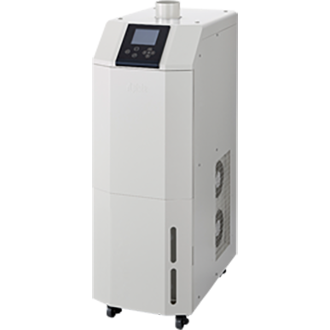
Dust Collectors


If it’s Apiste product,
no filter replacement will be needed for a long time
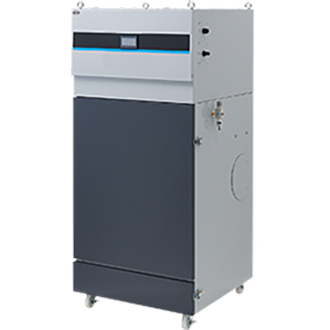
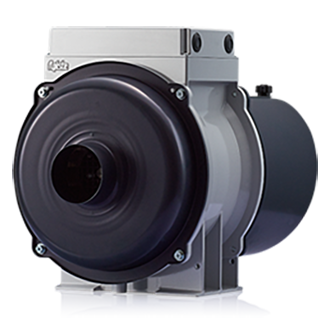
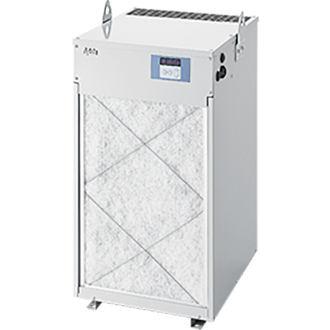
Dust collector GDE series


Select dust collector from the product category

Dust collector (for general dust)
Filter that has the largest filtration area in its class, and a pulse jet to clean away dust, providing sustained suction power. This is a high-performance general-purpose dust collector that does not require filter replacement for a long period of time.

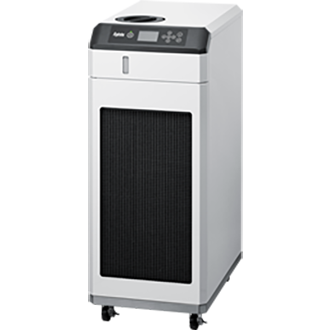
Dust collector (for welding fumes)
A dedicated fume box (option) can also capture fumes generated during welding and laser processing.
If you need help selecting a product or would like to discuss implementation,
please feel free to contact us.
What is dust collector?
Dust collector collectors are devices that efficiently collect dust, oil mist, etc., and help maintain a clean environment.
dust collector are divided into types such as filtration, electric, and centrifugal, based on their internal structure and dust collection mechanism.
Apiste 's High-Performance Dust Collector are characterized by their easy maintenance and clean exhaust. By installing option Fume Box they are also effective in capturing fumes.
Types of dust collector (dust removal equipment, dust collection equipment)
There are the following types of dust removal equipment depending on the principle of particle separation:
- Gravity dust collector
- Inertia dust collector
- Centrifugal (cyclone) dust collector
- wet dust collector
- Filtration dust collector (Apiste GDE series dust collector)
- Electrostatic dust collector
Below we will briefly explain each type of dust collector.
Gravity dust collector, inertia dust collector, centrifugal (cyclone) dust collector
| Gravity dust collector | A large chamber is installed midway through the duct, and the dust-laden air is suddenly slowed down, allowing it to settle by gravity and be collected. |
|---|---|
| Inertia dust collector | A collision plate is installed inside the gravity dust collector, and dust is collected by colliding with it. |
| Centrifugal (cyclone) dust collector | The airflow swirls inside the cone-shaped chamber, applying centrifugal force to the dust, causing it to fall along the outer wall to the dust collection chamber at the bottom of the cone where it is collected. |
Both are called pre-loading dust collector and are used before high-performance dust collector collectors such as filter dust collector, which will be described later, in order to remove coarse dust particles and reduce the load on the filter dust collector.

wet dust collector
Wet dust collector capture and collect dust by passing dust-containing airflow through water or by spraying liquid such as water onto the airflow. Generally, the drawback of wet dust collector is that they require wastewater treatment, which requires equipment and maintenance costs.

Filtration dust collector (Apiste GDE series dust collector)
Filtration dust collector filters and collects particles with filter. As a local exhaust system, it can be dust collector used almost universally.
Since the particles deposited on the filtration filter itself act as a filtration layer, even extremely fine particles can be collected. Therefore, compared to other methods dust collector, the pressure drop is large and requires intermittent dust removal, so dust removal performance is required for dust collector and its filter.

Electrostatic dust collector
Electrostatic dust collector, like filtration dust collector, are high-performance. They collect fine particles such as dust and oil mist by using corona discharge between electrodes (discharge electrode and collection electrode) with high voltage applied. These charged particles then adhere to the collection electrode using electrostatic attraction. Because they have low pressure loss and can collect fine particles with high efficiency, they are used in local exhaust ventilation systems and for oil mist collection, although equipment and maintenance costs are high.

Dust collector option
Related information


Related Products
People who viewed this page also checked out these documents:
Contact Us
Please feel free to contact us with any questions about our products or to request a quotation.